


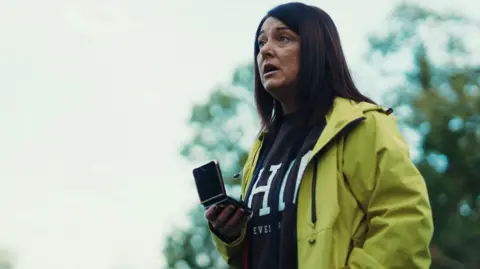
While filming an interview near a local recreational area in Falkirk, a came forward.
May I ask why you’re encouraging these people to sit in this park?” she stated while filming the exchange on her phone.
The man we were interviewing for our investigation was residing in a local refugee accommodation, where angry demonstrations had been happening since the summer.
The resident claimed that men from the facility had been approaching local children, and asked that we take our interview elsewhere.
Suddenly, a collection of asylum seekers who we didn’t see playing football in the vicinity came over the rise.
She informed me it was my doing they were there and if “anything happens here, you’ve got it on your head.”
The individual shared her footage to the internet. It was seen millions of times after being shared by conservative activists.
She was celebrated as a defender for defending local residents.
I was overwhelmed with threats and warned that I should leave the area.
I disagree that my conversation with this individual, who afterwards decided against its use, posed any risk.
But this encounter, and its repercussions, gave me possibly the clearest perspective yet into the fear some within the town – and further afield – have about refugees in their communities.
Community Worries and Rallies
There are about six thousand three hundred people applying for refuge in the region, many of whom entered via vessels across the channel.
About a fourth reside in temporary accommodations while the UK government evaluates whether to give them sanctuary.
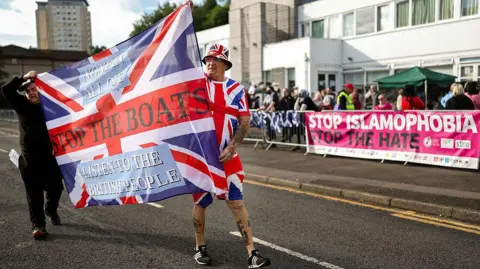
We’ve spent the last few months documenting at demonstrations against the accommodations around the nation.
In Falkirk, there are more than eleven thousand names on the waiting list, awaiting new residences. There is resentment at a perception that these men – and it is solely men in the accommodation – have received priority.
Refugees are not typically authorized to be employed while their requests are being processed and are given an allowance of £1.42 a day to survive on. With complimentary dining, lodging and no bills to pay, it sticks in the throats of several.
“They receive entertainment, they have warmth, they have clothing, they receive communication tools, they’re getting health services and if you think that’s fair in our society right now, I do not.”
Cell phones are not supplied by the government but are frequently provided to Cladhan residents by organizations who assist them.
Security Concerns and Local Divisions
The residents in the Cladhan originate from a variety of regions, including Iran, the continent and Eritrea, and all assert they need sanctuary from persecution.
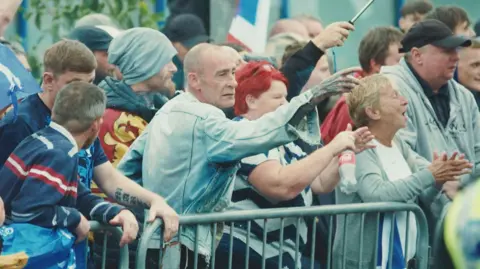
Occasionally we could see them peering out from behind closed curtains, as cries of “Send them home! Return them!” resounded through the streets.
The Cladhan was formerly a preferred location for celebrations, milestones and birthday parties.
No warning was given or discussion arranged with the local community that up to ninety asylum seekers were going to be housed here in 2021.
“There’s a perception that something is being forced upon them from 10,000ft by authorities who neither know nor care what the effect is going to be.”
All the financial outlays of sheltering asylum seekers in accommodations, about a significant amount a year across the UK, are paid by the UK government.
A community representative stated no individual was granted priority over anyone else.
But it’s not just demand on services which has got residents out on the streets. There is anxiety, too.
Former Cladhan resident Sadeq Nikzad, from another nation, was sentenced in the summer for the sexual assault of a underage local girl.
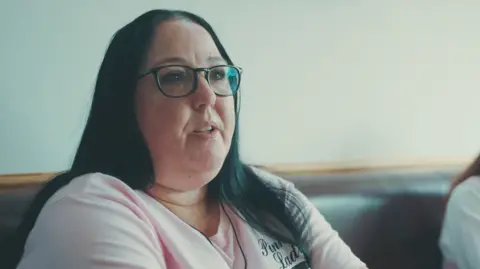
“It hurt deeply to know that that young woman’s life was ruined.”
“We ought not be moving around in anxiety,” she stated.
In the previous year, the year of the individual’s offense, there were numerous cases of violent crimes in the town.
Police Scotland indicates it does not maintain information detailing whether perpetrators are asylum seekers or not.
From media reports, it seems a single case was committed by an individual that period – by the perpetrator.
“Local individuals are also involved, but the fact is that the vessels are still entering. They [the individuals] have a alternative viewpoint.”

